Products
Dedicated to building a globally leading R&D and manufacturing platform for the deep processing of bismuth materials.
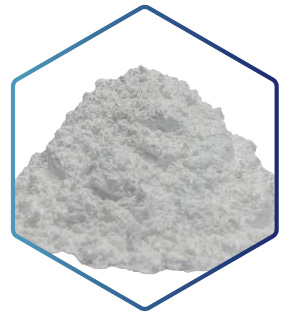
Formula: BiOCl
Molecular Weight: 260.48
Applications: Bismuth oxychloride is a new type of high-end environmentally friendly pearlescent material. Its non-toxicity, low oil absorption, strong skin adhesion, and pearlescent effects make it an important raw material in cosmetics, such as loose powder, nail polish, and eyeshadow. When bismuth oxychloride pearlescent paste is added to coatings, it is used in products like automotive dashboards, electronic devices (such as mobile phones and computers), and furniture, providing excellent decorative effects. Additionally, large quantities of bismuth oxychloride pearlescent paste are used in plastics for manufacturing imitation pearls, clothing accessories, and similar items.
Learn More 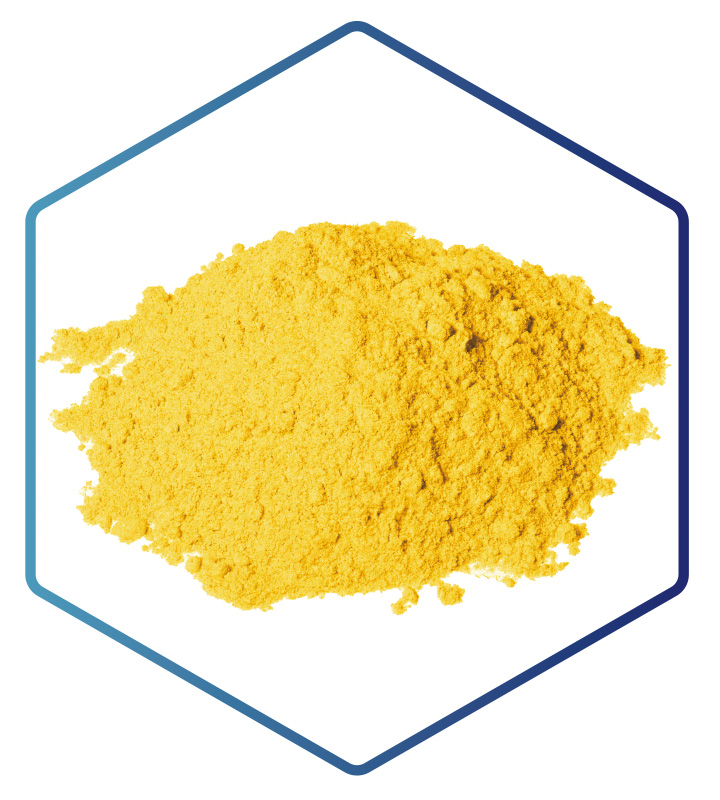
Formula: BiVO4
Molecular Weight: 323.92
Applications: In the pigment industry, it is known as PY184, a highly saturated yellow pigment with excellent hiding power, acid resistance, lightfastness, and weather resistance—approximately four times the tinting strength of titanium nickel yellow. The product contains no harmful heavy metals, making it suitable for applications with strict heavy metal limits, such as high-end automobiles, children’s toys, and food packaging. It also has excellent heat resistance, usable at temperatures up to 240°C, and can be applied in extreme environments, such as marine coatings, automotive paints, container coatings, plastics, and ceramics.
Learn More 
Formula: Bi(OH)3
Molecular Weight: 260.02
Applications: Bismuth hydroxide is a new type of inorganic bismuth catalyst, suitable for cathodic electrodeposition coating systems. It is used to replace toxic organotin catalysts in the preparation of environmentally friendly coatings.
Learn More 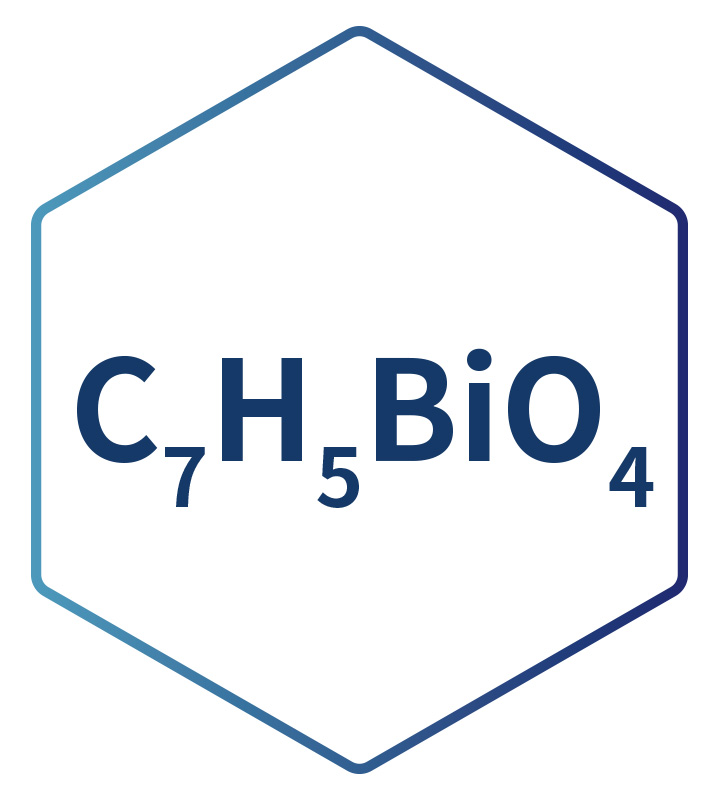
Formula: C7H5BiO4
Molecular Weight: 362.09
Applications: In the pharmaceutical field, bismuth subsalicylate is employed as an active pharmaceutical ingredient (API) for bismuth-based formulations such as bismuth subsalicylate dry suspension and bismuth subsalicylate tablets, commonly used to treat diarrhea, indigestion, gastric ulcers and duodenal ulcers. In the industrial field, it can be used as a catalyst in cathodic electrophoretic coatings.
Learn More 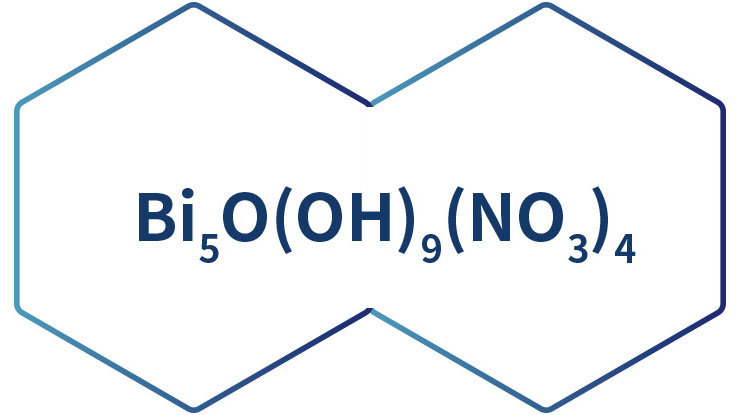
Formula: Bi5O(OH)9(NO3)4
Molecular Weight: 1461.99
Applications: In the pharmaceutical field, it is used as an active pharmaceuti cal ingredient (API) for the preparation of bismuth-based drugs, commonly used to treat gastritis, diarrhea, and other gastroin testinal diseases. It can also be used to prepare veterinary medicines for treating diarrhea in animals. In the industrial field, it can be used as a catalyst for electrophoretic coatings.
Learn More 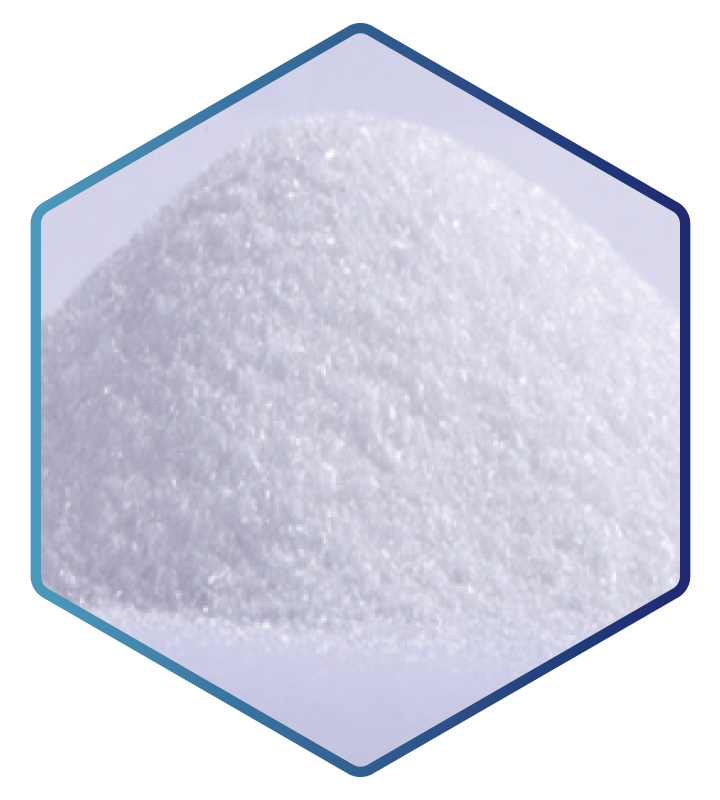
Formula: Bi(NO3)3·5H2O
Molecular Weight: 485.07
Applications: Mainly used in electronics, ceramic glazes, metal surface pretreatment, fluorescent coatings, manufacturing of bismuth-containing catalysts, alkaloid extraction and as a chemical reagent in chemical analysis. It is a raw material for other bismuth salt products and pharmaceuticals.
Learn More 
Formula: Bi2S3
Molecular Weight: 514.16
Applications: Used in brake pads to adjust friction coefficient; used in the preparation of optical thin-film devices, thermoelectric materials, or as a semiconductor dopant for manufacturing thermoelectric conversion devices, photocatalysts, etc.
Learn More 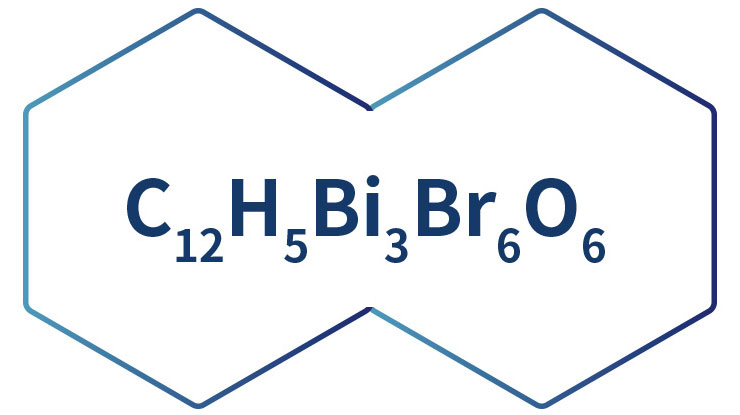
Formula: C12H5Bi3Br6O6
Molecular Weight: 1351.6
Applications: In the pharmaceutical field, it has disinfectant and antiseptic properties and can be used for skin sterilization and disinfection.
Learn More 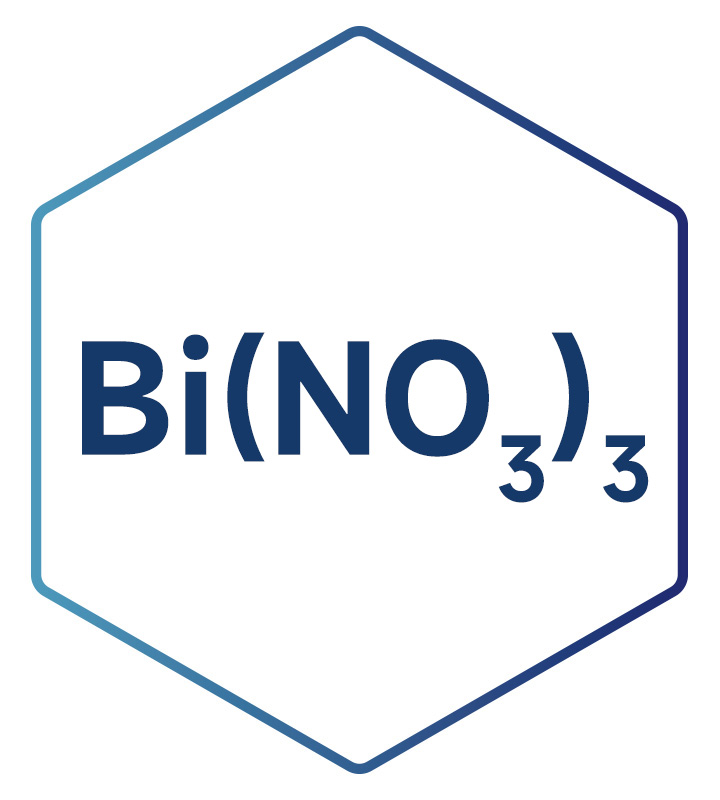
Formula: Bi(NO3)3
Applications: Raw material for the synthesis of bismuth compounds such as Bismuth Citrate, Bismuth Subsalicylate, Bismuth Subnitrate, Bismuth Hydroxide, etc.
Learn More 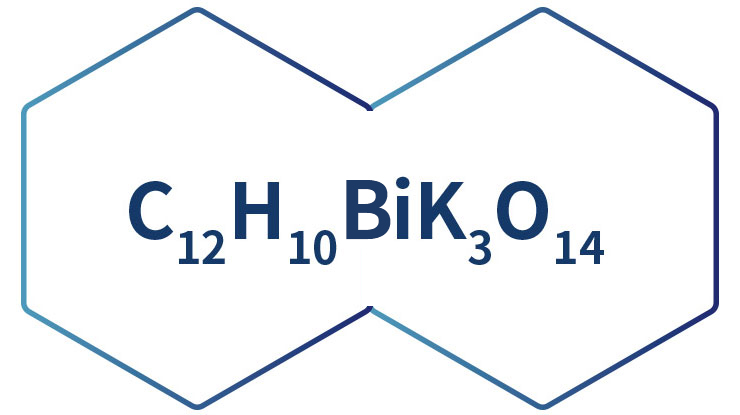
Formula: C12H10BiK3O14
Molecular Weight: 704.475
Applications: Used as an active pharmaceutical ingredient (API) for the preparation of bismuth-based drugs, such as bismuth potassium citrate capsules and bismuth potassium citrate granules, mainly for treating gastrointestinal mucosal damage, including gastritis and gastric ulcers.
Learn More 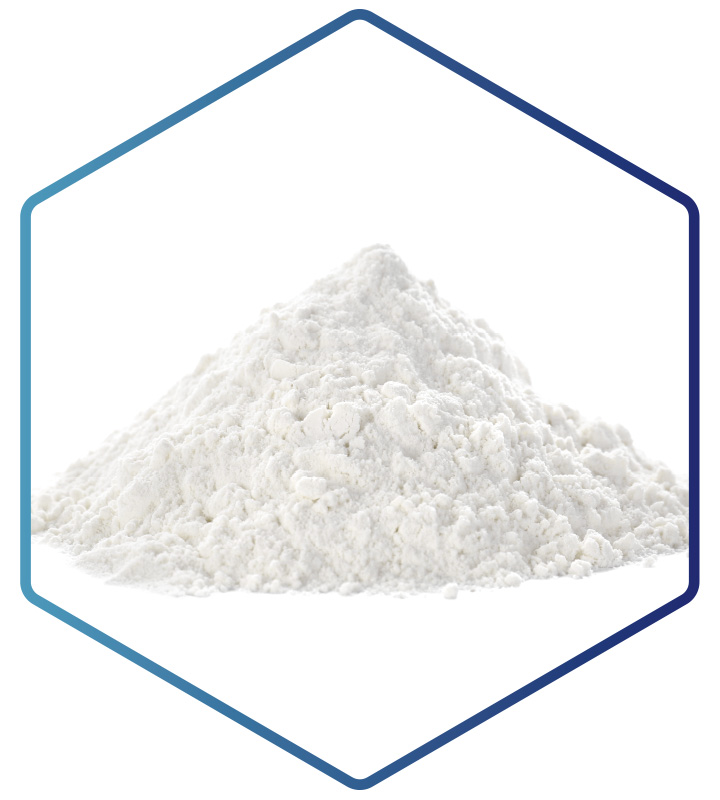
Formula: BiC6H5O7
Molecular Weight: 398.08
Applications: In the pharmaceutical field, it is used as a pharmaceuti-cal intermediate for the synthesis of bismuth potassium citrate. In the personal care field, it can be used as an antibacterial and deodorizing additive.
Learn More 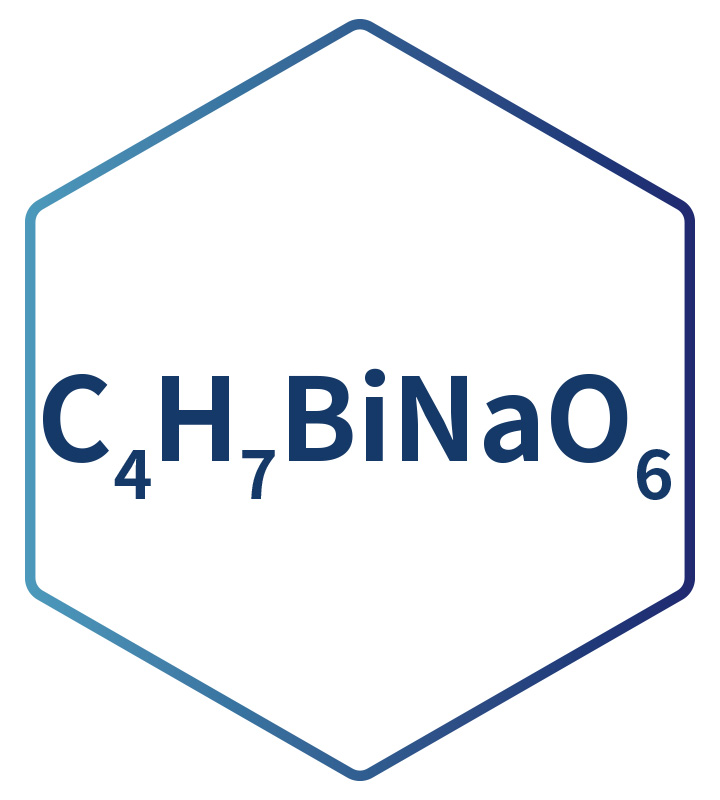
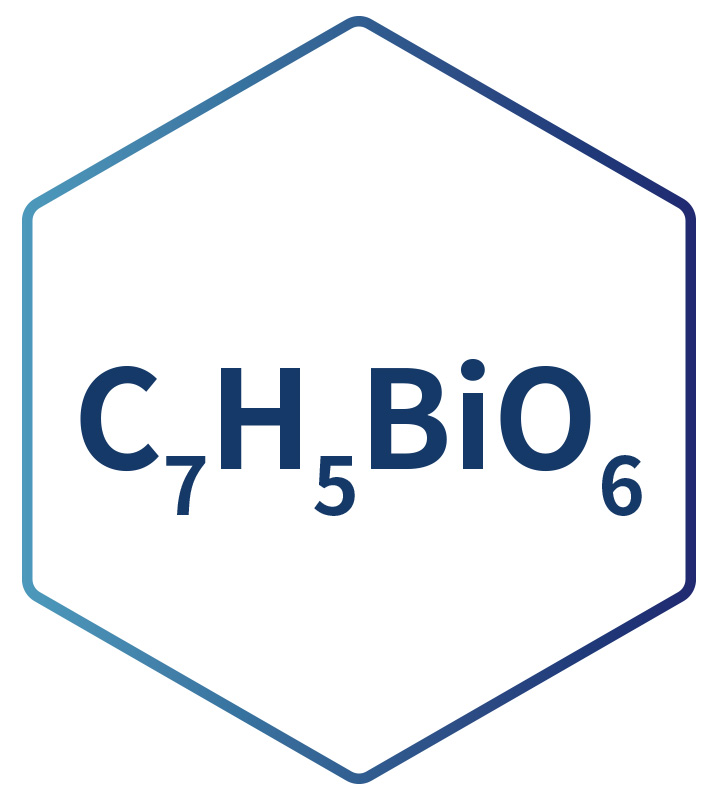
Formula: C7H5BiO6
Molecular Weight: 394.09
Applications: Used as an active pharmaceutical ingredient (API) for the preparation of bismuth-based drugs, with astringent, antiseptic, and hemostatic effects, used to treat gastrointestinal diseases as well as skin conditions such as eczema and hemorrhoids.
Learn More 
Formula: C30H57BiO6
Molecular Weight: 722.75
Applications: Catalyst for the synthesis of polymers such as polyurethane. Compared to traditional tin catalysts, it offers milder reaction conditions and superior catalytic performance.
Learn More 
Formula: C24H45BiO6
Molecular Weight: 638.59
Applications: Replaces toxic heavy metal catalysts such as organomercury and organolead compounds. Used as a paint drier, lubricant additive and catalyst for polyurethane reactions at room temperature.
Learn More 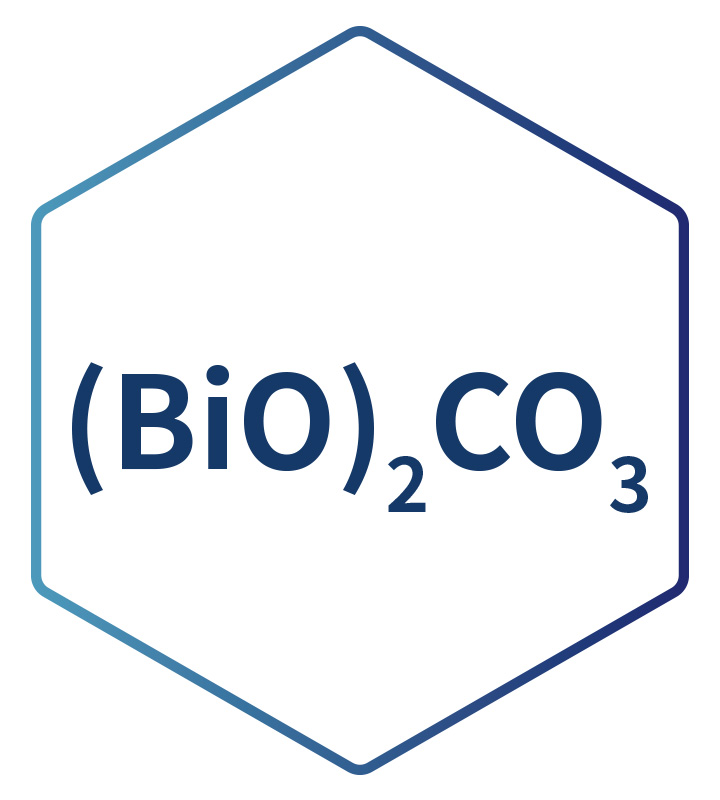
Formula: (BiO)2CO3
Molecular Weight: 509.97
Applications: Used as an active pharmaceutical ingredient (API) for the preparation of bismuth-based drugs, commonly used to treat excess stomach acid, diarrhea, and other gastrointestinal diseases. It can also be used as a veterinary medicine to treat diarrhea in animals.
Learn More